
CASE STUDY
Buy More, Save More Contact Lenses
Designing a scalable discount management system for Walmart Vision.
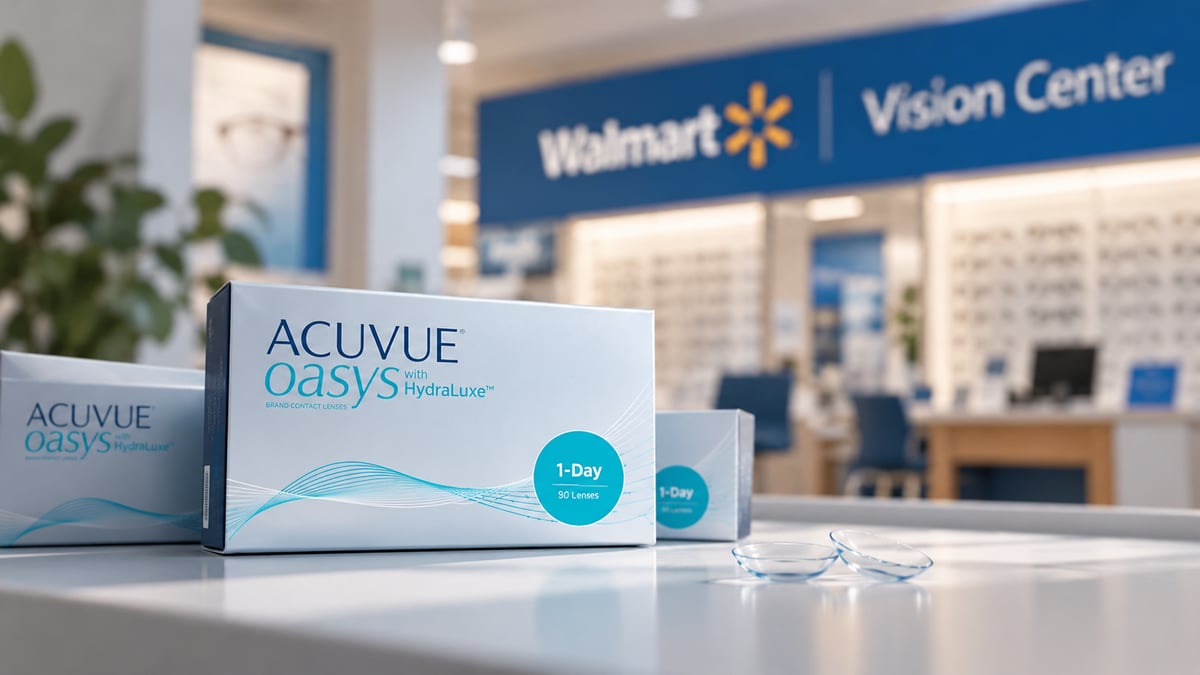
- Role
- Senior UX Designer
- Timeline
- 4 months
- Primary users
- 2 Walmart Home Office merchants
- Platform
- Walmart Vision internal merchandising tools
- Status
- MVP developed; launch paused by a strategy change
- Responsibilities
- Product discovery, requirements definition, UX design, prototyping, developer collaboration
HIGHLIGHTS
- Led product discovery and requirements definition with minimal product management involvement
- Used functional UX explorations to uncover requirements from time-constrained subject matter experts
- Designed a rule-based alternative to manual in-store calculations and manager price overrides
- Designed flexible pricing controls supporting compatible products, multiple purchase thresholds, and pack sizes
- Built validation safeguards to prevent invalid or counterproductive discount structures
- Established a foundation for future percentage-based and automated rounding strategies
- Delivered an implemented MVP in four months
Overview
Walmart Vision needed a way for merchants to configure Buy More, Save More promotions for prescription contact lenses.
The business concept was straightforward: customers purchasing multiple boxes of contact lenses would qualify for discounted pricing. The operational requirements were not.
Until then, this kind of pricing was only possible through difficult in-store processes: associates calculated the discount by hand and applied it through a manager price override. Those overrides didn’t show why a discount was given, leaving no data on whether it improved sales, and busy associates might not have applied them at all.
Contact lenses come in different brands, product lines, replacement schedules, prescription variants, and pack sizes. Customers may purchase different but compatible products for each eye, and those purchases needed to count together toward promotional thresholds.
Merchants also wanted precise control over discount amounts. Rather than applying percentages, they preferred setting dollar-and-cent discounts for individual products, allowing them to offer clear, intentional savings to customers.
The functionality needed to fit within an existing internal merchandising platform without overhauling its structure, which is why the screens keep its dense, table-heavy look.
With limited product management availability and only two merchants responsible for the business process, I led discovery, requirements definition, and UX design.
In four months, the work went from an open business request to an MVP developed in code, shaped through functional explorations, merchant feedback, and direct collaboration with engineering.
A change in company pricing strategy then paused its launch.


